Why Embedding Email Marketing Should be Your Next Product Upgrade
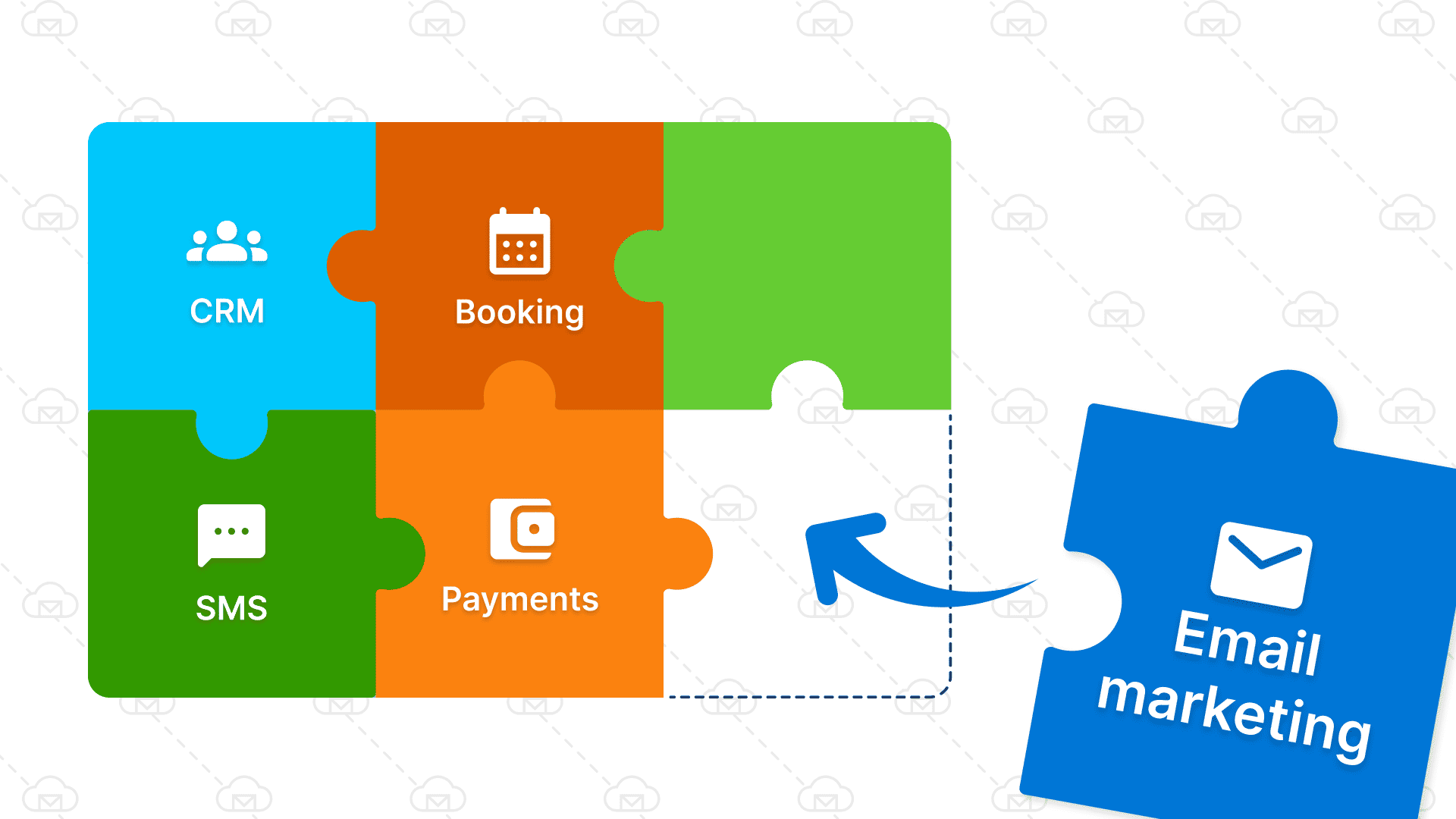
Your users are already sending marketing emails. The only question is whether they’re doing it inside your platform or in a separate tool.
If your platform helps users manage their data, workflows, or day-to-day operations, email is a natural extension of what they’re already doing: sharing updates, promoting offers, and bringing customers back.
When email marketing lives outside your platform, users log in less often and rely less on your core features. They’re forced to export lists, switch tools, and break their workflow — and over time, that friction makes it easier to justify switching to a platform that does more in one place.
When it’s built in, email becomes a connected experience, tied to the data and workflows your product already manages. Your platform becomes the place users associate with driving growth, visibility, and customer engagement.
Embedding white-label email marketing creates a path to revenue growth while eliminating the risk and cost of building your own email marketing product. Email marketing can be offered as a premium feature, bundled into higher tiers, or sold as an add-on. It’s an upgrade most businesses are willing to pay for because it can directly drive a measurable ROI (an average of $36 for every $1 spent on email).
If you’re worried about adoption, you can reduce friction by removing upfront setup work with pre-made templates for promotions, announcements, reminders, or seasonal updates that your customers can send immediately.
Embedding email marketing into your platform doesn’t have to mean loads of dev work, either. You can start with a few simple features to validate demand, then add deeper embedded functionality in phases based on customer feedback and requests.
Below, I’ll walk you through 5 platform types where email marketing can easily enhance product value and stickiness, while also driving higher retention and average revenue per customer.
Use Cases For Embedding Email Marketing:
- Vertical SaaS (Niche Industry Platforms)
- Industry-Specific CRMs & Customer Engagement Platforms
- Appointment Scheduling & Booking Platforms
- Hospitality, Restaurants & Service-Based Platforms
- Community, Learning & Membership Platforms
- Why Platforms Choose BigMailer for White-Label Email Marketing
1. Vertical SaaS (Niche Industry Platforms)
Vertical SaaS users tend to be willing to pay a premium for software that’s purpose-built for their industry over cheaper, generic software. When it comes to email marketing, many of these customers want out-of-the-box options and workflows tailored to their niche.
As a vertical SaaS, you can leverage your positioning advantage with a white-label email marketing platform as well. By connecting your platform’s data, offering industry-specific templates and prebuilt automations, customers can launch branded campaigns without having to “learn” email marketing or design.

Source: Primrose Schools
For example, a preschool platform might offer ready-to-send email templates for classroom highlights, enrollment announcements, monthly newsletters, referral campaigns, and re-engagement emails for families who haven’t interacted recently. The result is lower friction, higher adoption, and a marketing channel that feels like a natural extension of your industry-specific platform.
2. CRMs & Customer Engagement Platforms
CRMs already sit on the best possible email marketing data: lifecycle stage, tags, services used, location, last touchpoint, and more. Adding white-label email marketing lets customers use that data to send more targeted newsletters, promos, and automated campaigns without exporting lists or stitching together another tool.
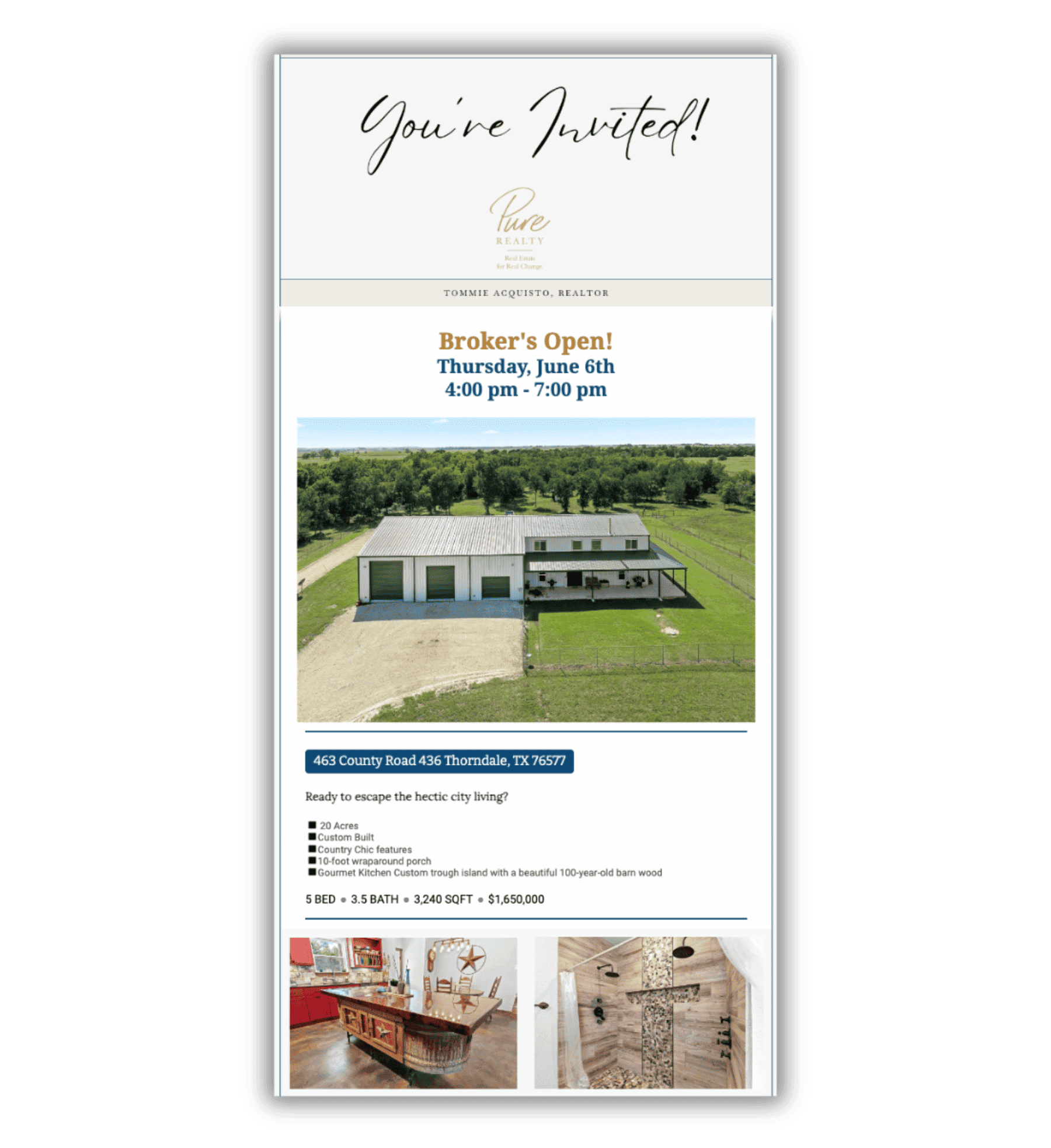
Source: Pure Realty (TX)
For example, a real estate CRM can offer email marketing to help agents send open-house invites, “just listed near you” alerts, price-reduction updates, recently sold highlights, and monthly market newsletters segmented by neighborhood or buyer/seller status.
Customers will have more sales opportunities by sending more relevant emails using existing CRM segments — like active buyers, past clients, or cold leads — which increases product stickiness and reduces the need for customers to find a third-party email marketing platform that integrates with their CRM.
3. Appointment Scheduling & Booking Platforms
Scheduling and booking platforms own the moments that earn revenue: bookings, reschedules, cancellations, and the post-appointment window. A built-in email marketing service lets businesses leverage booking data to drive repeat visits rather than just sending confirmations and reminders.
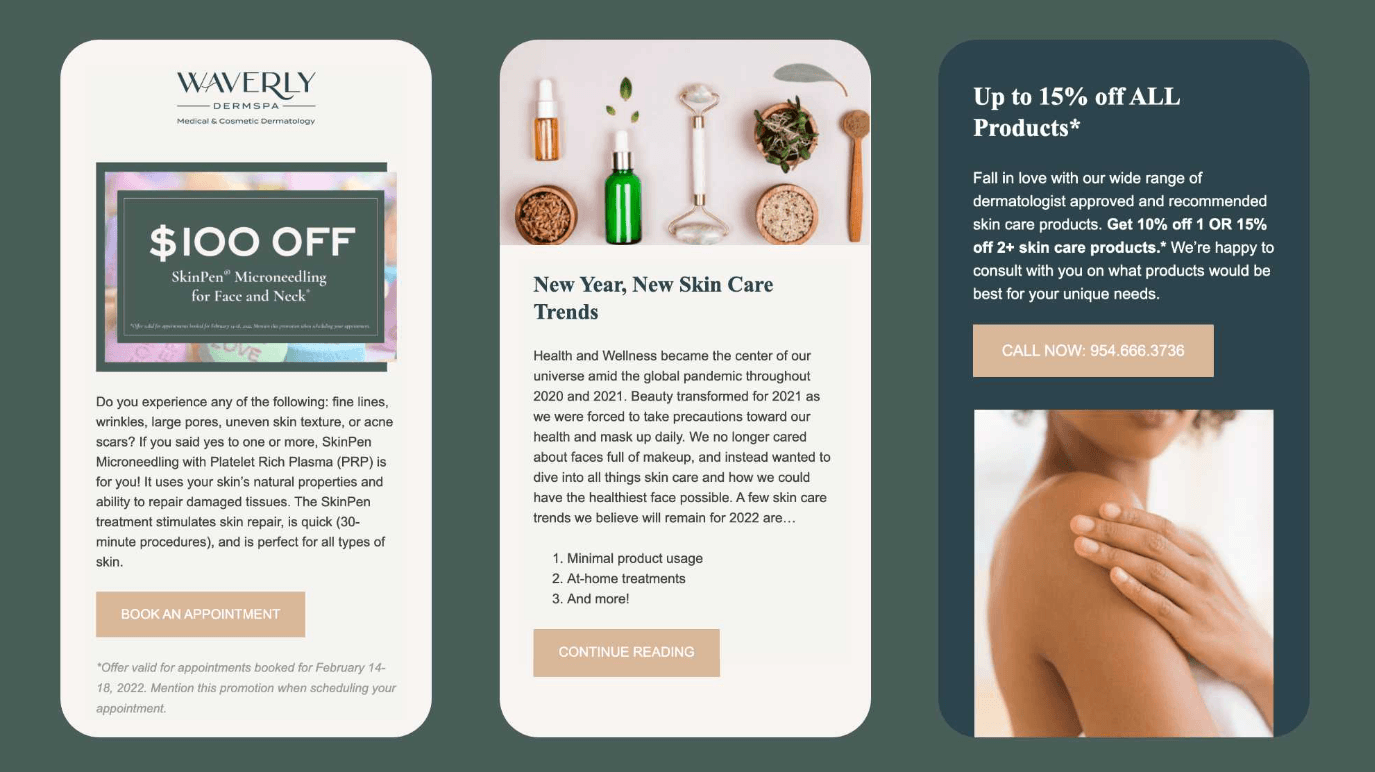
Source: Trillion Creative
For example, a spa could send a post-visit follow-up with care tips and a “book your next appointment” link, rebooking reminders based on the service interval (like 4 weeks after a facial), and winback emails for clients who haven’t booked in 60-90 days. They can also run seasonal promotions, announce new services, and send a monthly newsletter with a direct path to book another appointment.
4. Hospitality, Restaurant, and Service-Based Platforms
Platforms serving restaurants, hospitality groups, and service-based businesses can deliver greater value by engaging guests to increase visit frequency and reservation volume. By upselling operators through email marketing, operators can engage guests with timely promotions that drive repeat visits and increase average guest check size.
For multi-location groups, operators can centralize communication by creating brand-wide campaigns that allow specific locations to make their own variations.
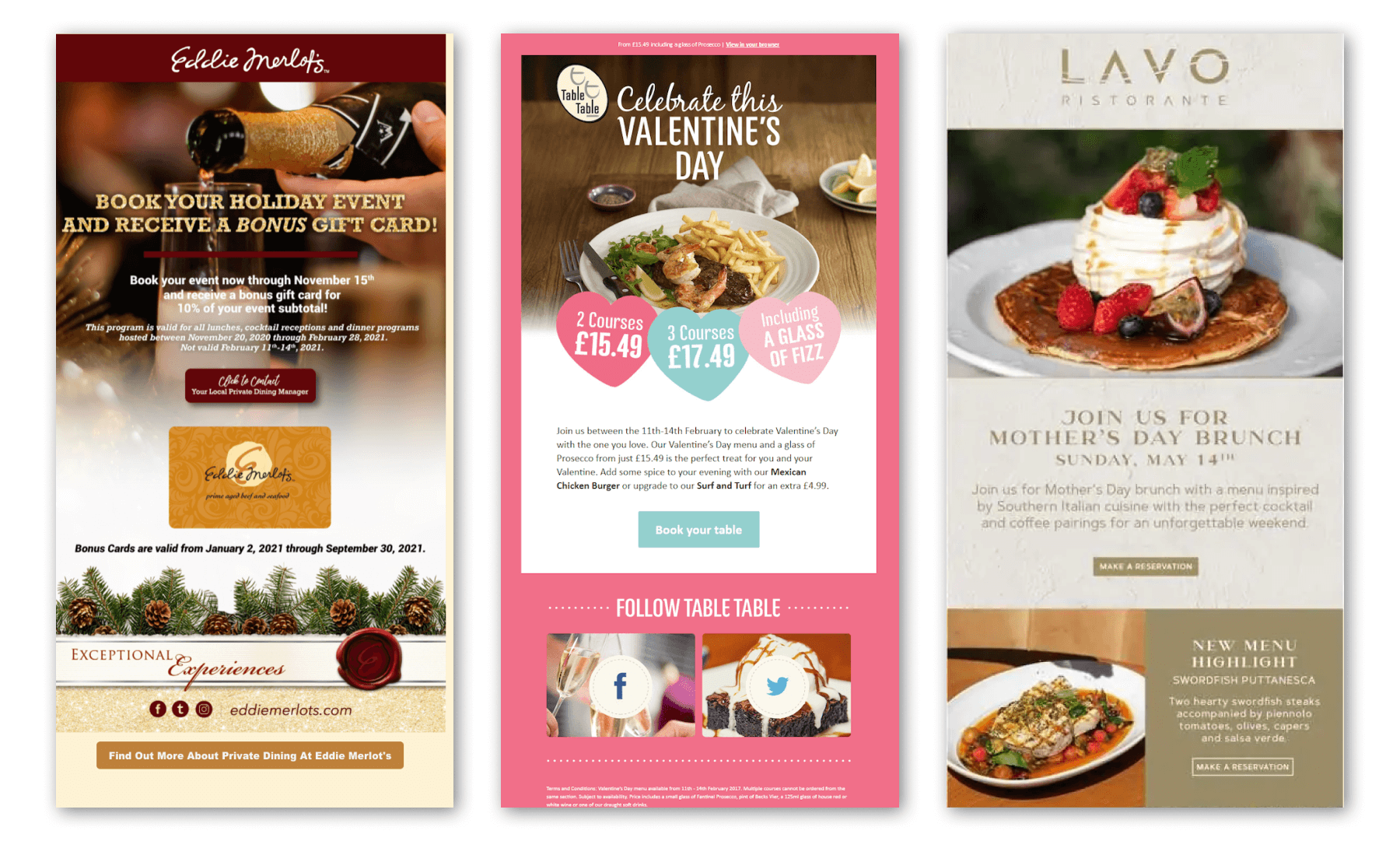
For example, a restaurant can promote holiday reservations, limited-time menus, special events like wine dinners or live music, loyalty offers for frequent guests, or targeted “we miss you” campaigns to diners who haven’t visited recently. Because these emails are tied to real guest behavior and link directly to reservations or ordering, they’re easier to send, more relevant to recipients, and more effective at bringing guests back through the door.
5 Community, Learning & Membership Platforms
Community, learning, and membership platforms depend on sustained engagement, but retention suffers when members forget to return, lose momentum, or don’t build a habit of logging in. Email marketing helps reduce friction by keeping the community visible in members’ inboxes, inserting the platform into their daily workflow, and reminding members to return for more value.

Source: Really Good Emails
An online course creator can send weekly content roundups, new lesson announcements, upcoming live session highlights, student success stories, and previews of member-only content. Because these emails are tied directly to what members are learning or participating in, they reinforce momentum, reduce drop-off, and help creators keep all member communication in one place instead of relying on external email tools.
Add Value Where Customers Already Expect It
Email marketing is one of the few services customers already understand, actively want, and regularly use to stay connected with the businesses they trust. For platforms, that makes it a natural way to increase value, strengthen customer relationships, and open new revenue opportunities without changing the core product experience.
The question isn’t whether your platform customers want to send emails — they probably already are. It’s whether that communication could happen on your platform, making it more indispensable.
Why Choose BigMailer For White-Label Email Marketing
BigMailer is designed for platforms that want to offer email marketing under their own brand without building and maintaining a full email product from scratch. It provides a complete white-labeled experience that can start either as a simple embedded feature or as a branded add-on and evolve into deeper embedding over time.
BigMailer supports businesses serving multiple brands or locations (like agencies or franchises) through centralized management and shareable templates. It’s built for scale and deliverability with features like role-based access and built-in list validation.
Pricing is structured to be one of the most predictable and affordable on the market, so upcharging email marketing to your customers as a higher tier, or add-on, is profitable with subscriber-based or usage-based pricing.
Book a free demo to see how BigMailer makes it easy to white-label email marketing into your product and start testing demand right away.